


Home Prophylaxis
Teeth cleaning and dental prophylaxis
Professional cleaning, deep cleaning, air flow, whitening: the prevention that avoids decay, gingivitis and periodontitis, and the session before every prosthesis.
- One session, 45 minutes at most
- Every six months, also during treatment
- Without anaesthesia in most cases
 How the quote works
 Dental Tourism
 Patient reviews
5.0184 reviewsThe clinic’s Google profile,
Who does it here



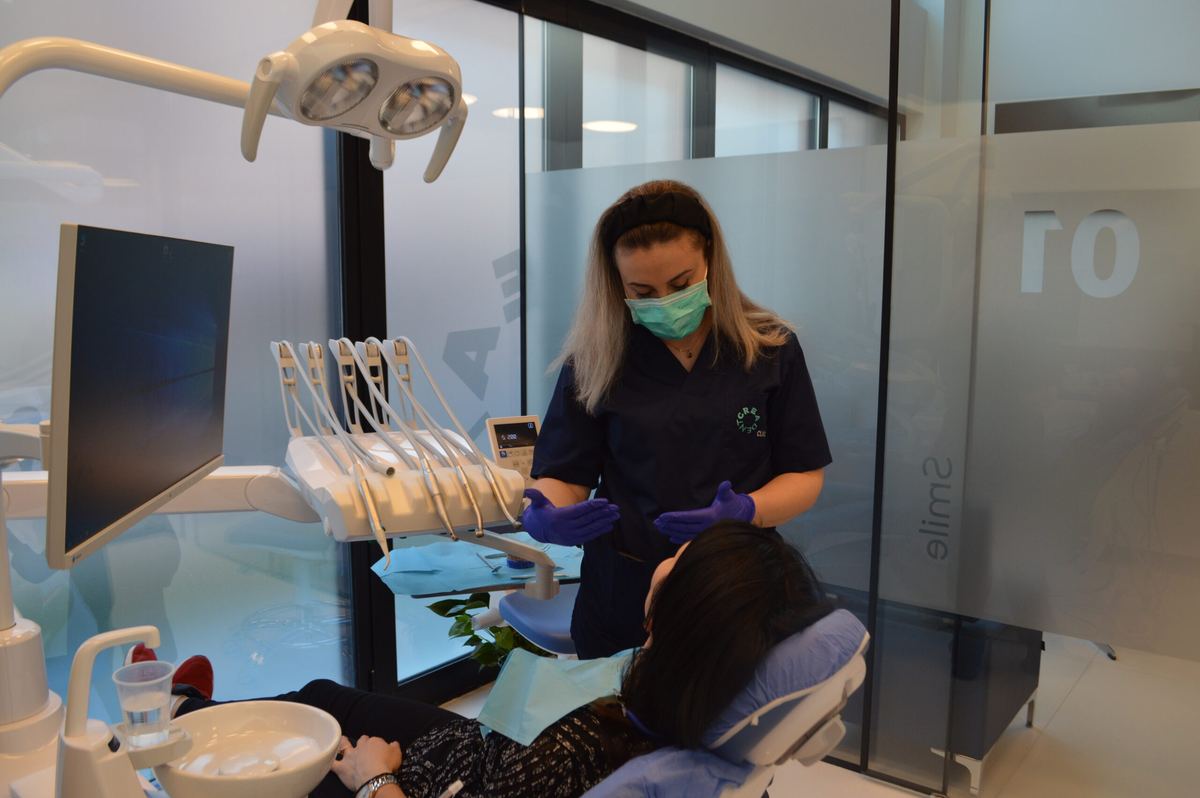
The clinic's dentistry and hygiene staff look after the cleanings and check-ups; the assistant is with you in the chair.
How it runs here
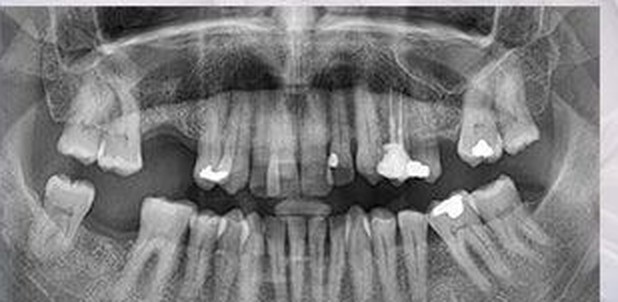
- The check-upCheck of teeth and gums, with the panoramic X-ray if needed. first visit
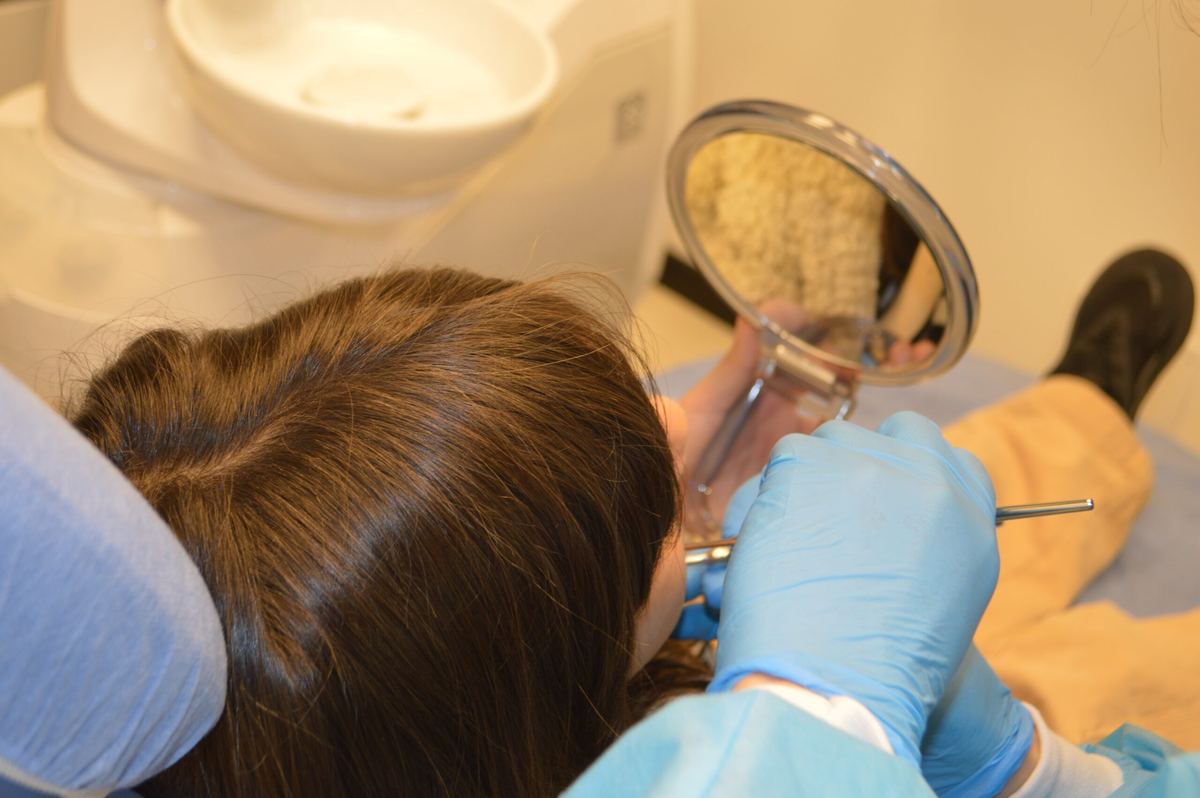
- The cleaningScaling above and below the gum, air flow with glycine and erythritol, polishing. 30-45 minutes
- The hygiene planInstructions for the toothbrush, floss and interdental brushes; fluoride treatment and fissure sealants when needed. the same session
With what
- Hygiene
- Dental cleaning, bicarbonate cleaning, deep cleaning of the gum pockets, cleaning for children.
- Whitening
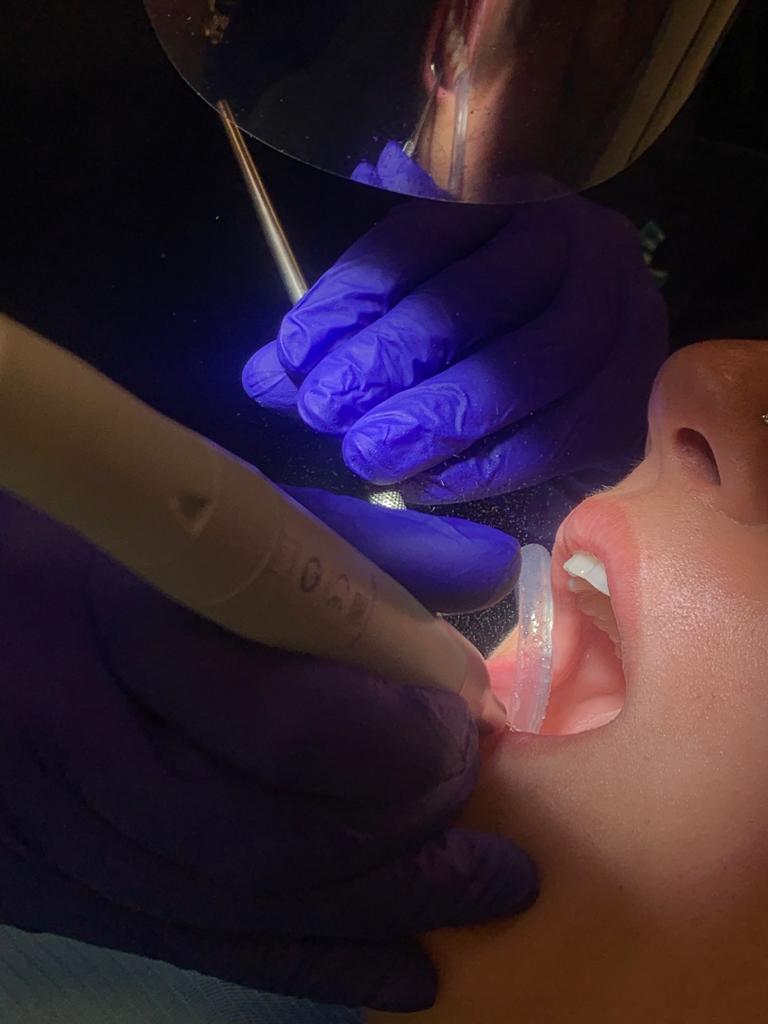
- Professional in-chair whitening, after the cleaning.
- Supportive therapies
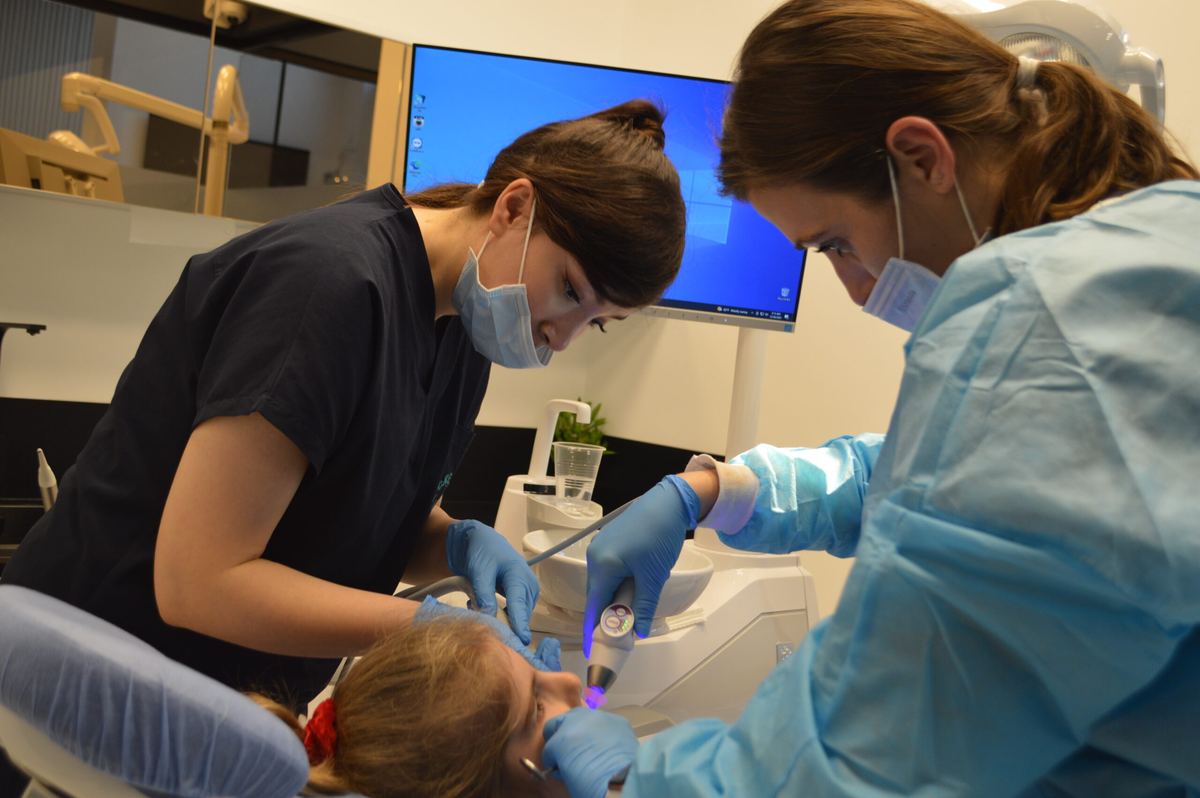
- Ozone therapy for gums and tissues, fluoride treatment, fissure sealants.
For whom
- For people who have not had a cleaning for years.
- For people whose gums bleed or recede.
- For people about to have crowns, veneers or implants: the cleaning comes first.
- For people who smoke or drink coffee and want to remove the stains.
The clinic on video
The clinic and patients at their check-ups, in pictures and on video.
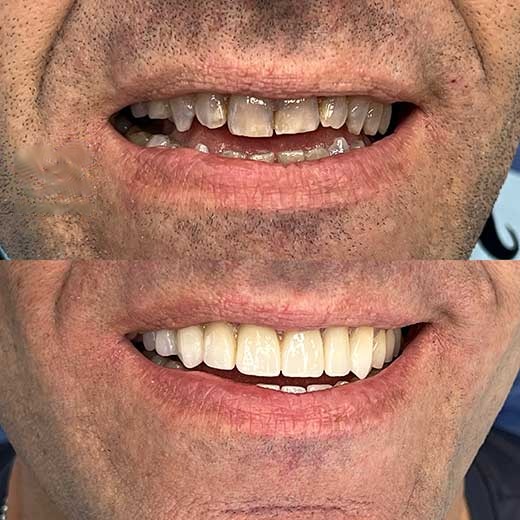
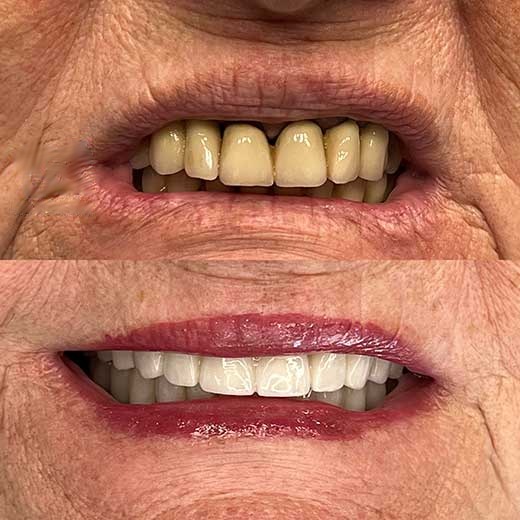
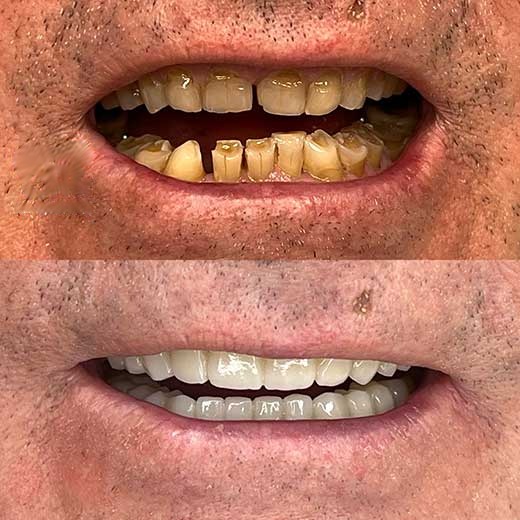
Dental prophylaxis is the set of preventive practices that keep the teeth, the gums and the mouth in good health. It includes regular check-ups, daily oral hygiene such as brushing and flossing, and professional cleaning to remove plaque and tartar.
This is what prevents decay, gingivitis and periodontitis, and what keeps dental health and function over time — and it costs far less than treating the damage later.
In this field, our offerings include
The air flow treatment
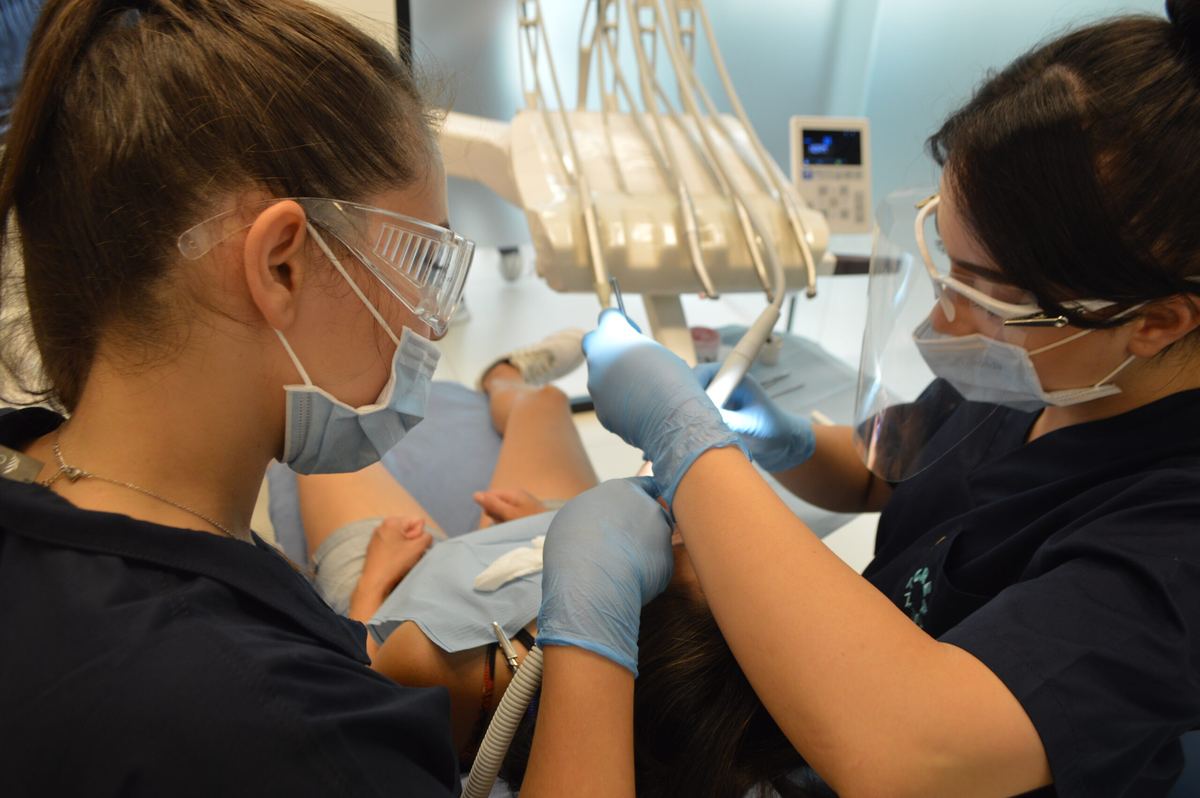
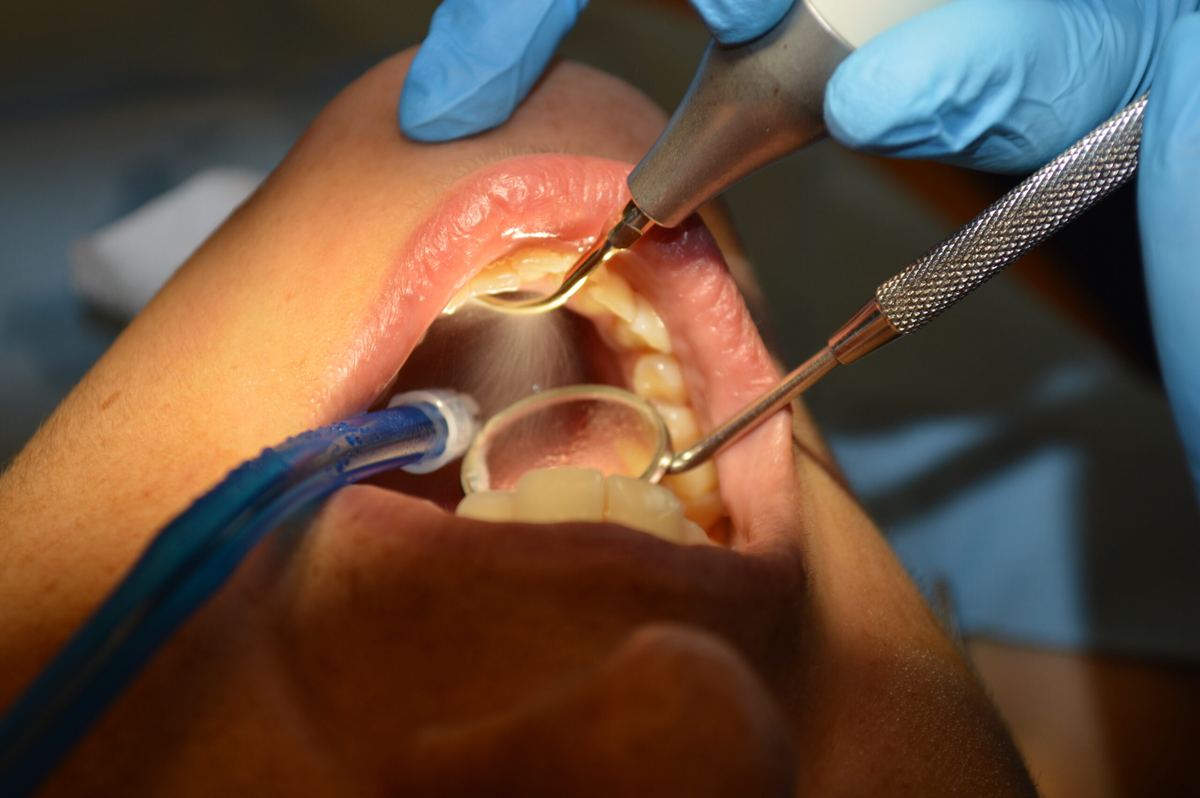
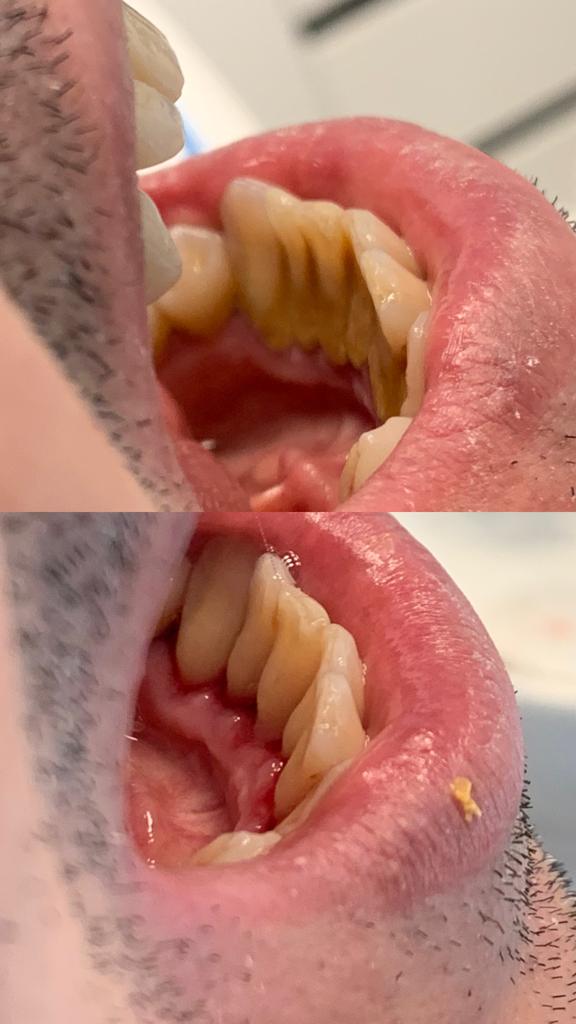
Air flow oral hygiene is used above all when there has been no scaling for a long time and tartar has built up around the walls of the tooth, above and below the gum. It is the first treatment carried out when starting care, before any other procedure: it prevents periodontitis and gingivitis, which can seriously damage the teeth, and removes the stains caused by coffee or tobacco. It also reaches the deepest parts of the gum margin, where no toothbrush and no floss can go. It does not need anaesthetic, except when the patient arrives with decay, gingivitis or teeth worn down by night-time bruxism.
The hygiene treatment, classic or air flow, is carried out by the hygienist. The device sprays water loaded with particles of glycine and erythritol at high speed, and it is that speed that removes the tartar in the mouth. It is generally painless, and the feeling of freshness is immediate. The duration depends on the condition of the teeth, but does not exceed 45 minutes.
A check-up twice a year
Two appointments a year are enough for most people: a check of the teeth and gums, a professional cleaning, and a look at anything that has changed since the last visit. Where the gums bleed or recede, the interval is shorter.
Fluoride treatment and sealants are preventive: they protect the enamel and seal the fissures in which decay starts, on children’s teeth in particular.
Treated cases
Frequently asked questions
How often should teeth be professionally cleaned?
Two appointments a year are enough for most people: a check of the teeth and gums and a professional cleaning. Where the gums bleed or recede, the interval is shorter, and the dentist tells you after the first check-up.
What is air flow?
A cleaning with a jet of very fine powder and water that removes stains and plaque where the instrument does not reach, down to the gum margin. It is used above all when there has been no scaling for a long time, and it is carried out by the hygienist.
Is teeth cleaning done before other treatment?
Yes: before implants, veneers or prostheses the mouth must be clean and the gums healthy. That is why prophylaxis is usually the first appointment of your plan.
Bleeding gums: what does it mean?
Often an inflammation caused by plaque and tartar, which professional cleaning resolves; if it goes deeper, the gums need periodontal treatment before any other work. The check-up shows which it is.