


Home Endodontic Therapy
Root canal treatment (endodontics)
Root canal treatment, retreatment, post reconstruction and crown: the tooth is saved when possible, and the crown that protects it is made here.
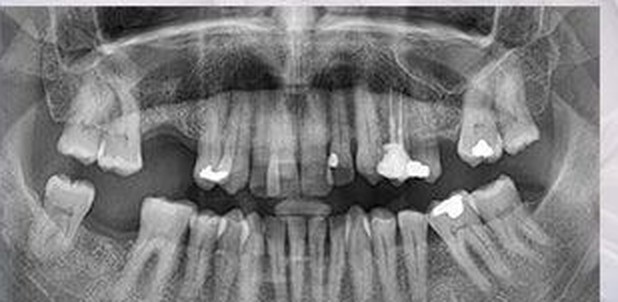
- Diagnosis from the 2D panoramic X-ray
- Root canal treatment in 1-2 sessions
- Crown from the in-house laboratory in 4-6 days
 How the quote works
 Dental Tourism
 Patient reviews
5.0184 reviewsThe clinic’s Google profile,
Who does it here



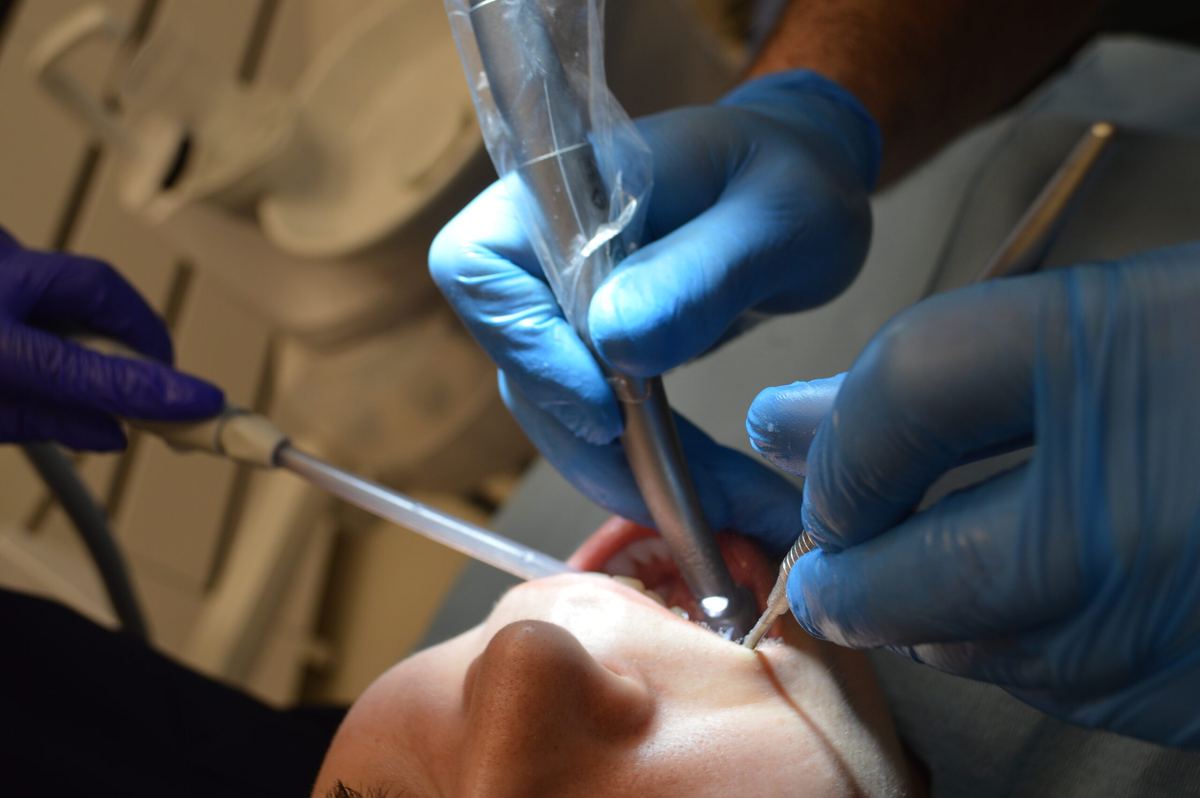
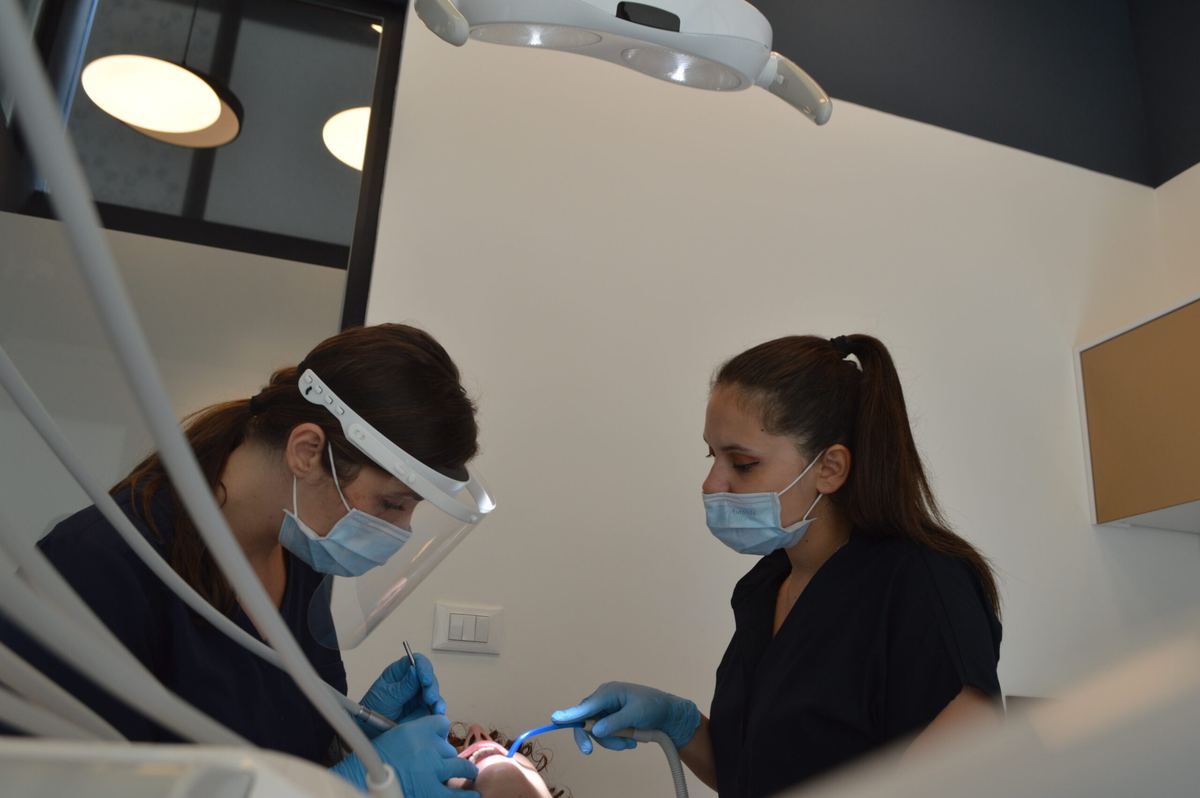
The dentists carry out the root canal treatments; the assistant looks after you in the chair; the crown that completes the process is made by the clinic's dental technicians.
How it runs here
- The diagnosisThe panoramic X-ray and the X-ray of the tooth show whether the pulp is inflamed or infected and whether the tooth can be saved. first visit
- The root canal treatmentThe canals are cleaned, disinfected and sealed under local anaesthetic. 1-2 sessions
- The rebuildThe root-treated tooth is rebuilt, with a screw post when little tooth structure is left. one session
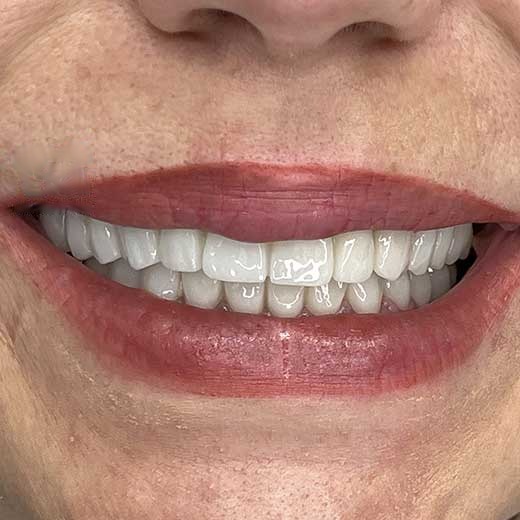
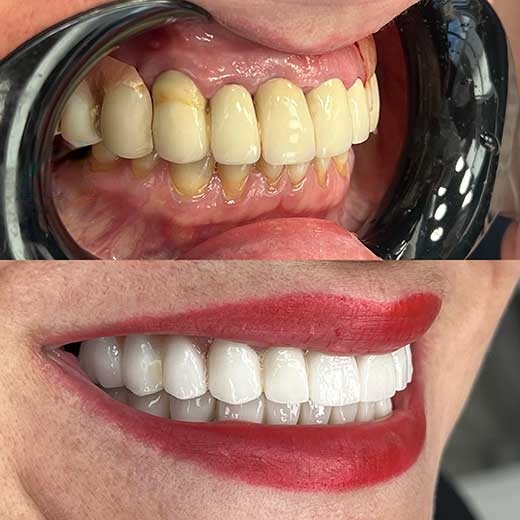
- The crownA root-treated tooth is more fragile: the zirconia or ceramic crown, made by the laboratory, protects it. 4-6 days
With what
- Root canal treatments
- Root canal treatment, retreatment of canals already treated, canal filling, apicoectomy when the infection persists.
- Rebuilds
- Rebuild with a screw (post) and filling, rebuild for a bridge, composite fillings.
- The crown after treatment
- Zirconia, full-ceramic or metal-ceramic crown, depending on the position of the tooth; the written quote states its structure and veneer.
For whom
- For people with a strong toothache, spontaneous or with hot food.
- For people with deep decay that has reached the pulp.
- For people with a granuloma or an abscess on a tooth that has already had a root canal.
- For people who want to save the tooth before thinking about an implant.
The clinic on video
The diagnosis from the panoramic X-ray, on video.
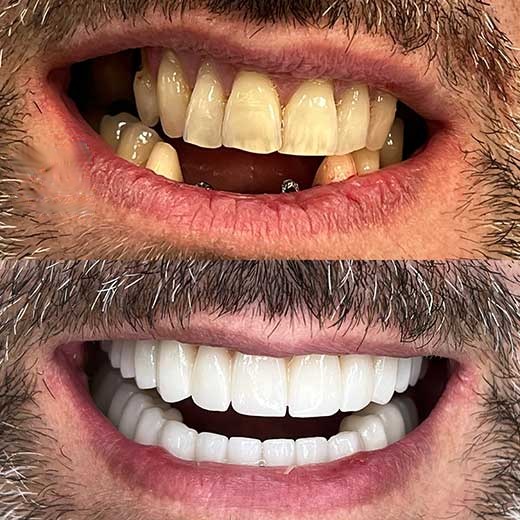
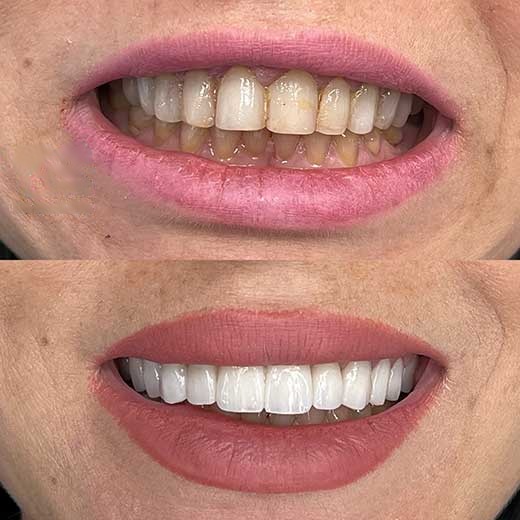
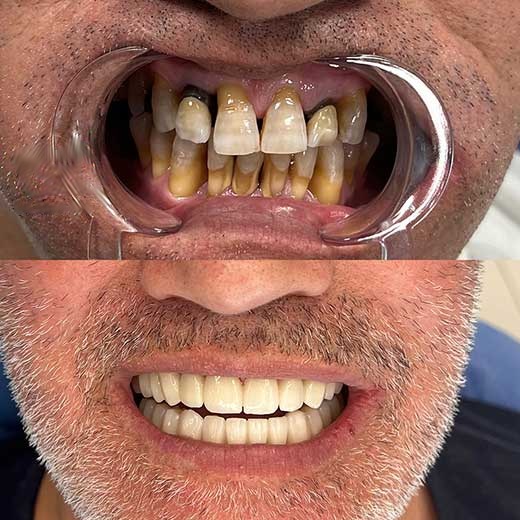
Endodontics is the dental field that deals with the dental pulp and the roots of the tooth. When the pulp is inflamed or infected because of deep decay or trauma, root canal treatment may be necessary to save the tooth. The procedure means removing the damaged pulp, cleaning and disinfecting the root canal, and finally filling it.
In this field we cover the whole route, from the diagnosis and the treatment through to the finished crown.
In this field, our offerings include
- Diagnosis from the panoramic X-ray, and the 3D CT scan where it is needed
- Root canal treatment of the infected or inflamed tooth
- Retreatment of a canal treated previously
- Treatment of infections and of apical granulomas
- Rebuilding the tooth after the canal treatment
- The crown, made in the clinic’s own laboratory
- Composite fillings, in the colour of the tooth
Saving the tooth comes first
A tooth that still has enough sound structure is worth treating rather than extracting: it keeps the bone and the bite as they are. The decision is made on the X-ray, not by eye, and we explain what we see before starting.
Once the canal is treated and the tooth rebuilt, a crown usually follows to protect it. Because the laboratory is inside the clinic, that step does not add a trip.
It all starts with decay
Almost everything starts there. Decay treated early costs little and takes very little time; a small filling avoids the root canal treatment, the granuloma, the infection around the root and, in the end, the extraction. That is why we insist on regular check-ups: what is treated in one session today can take several appointments in two years.
The route for root canal treatment
The first thing, before going ahead, is the 3D CT scan: it shows whether there are infections around the root. If there are none, we proceed with local anaesthetic, remove all the decay from the walls of the tooth until the canals are reached, remove the pulp and the nerves and clear the infection. Posts are placed in the canals and they are closed with suitable materials, then the shape of the tooth is rebuilt. Where the walls are too weak, the tooth is capped with a crown.
When the infection has already set in
If there is an infection, the timescale gets longer: the area has to be cleared first, checked, and sometimes we wait a few days before finishing. The 3D CT scan shows the real extent of the lesion around the root, and it decides whether the tooth is kept or not. We say so plainly before starting, estimate included.
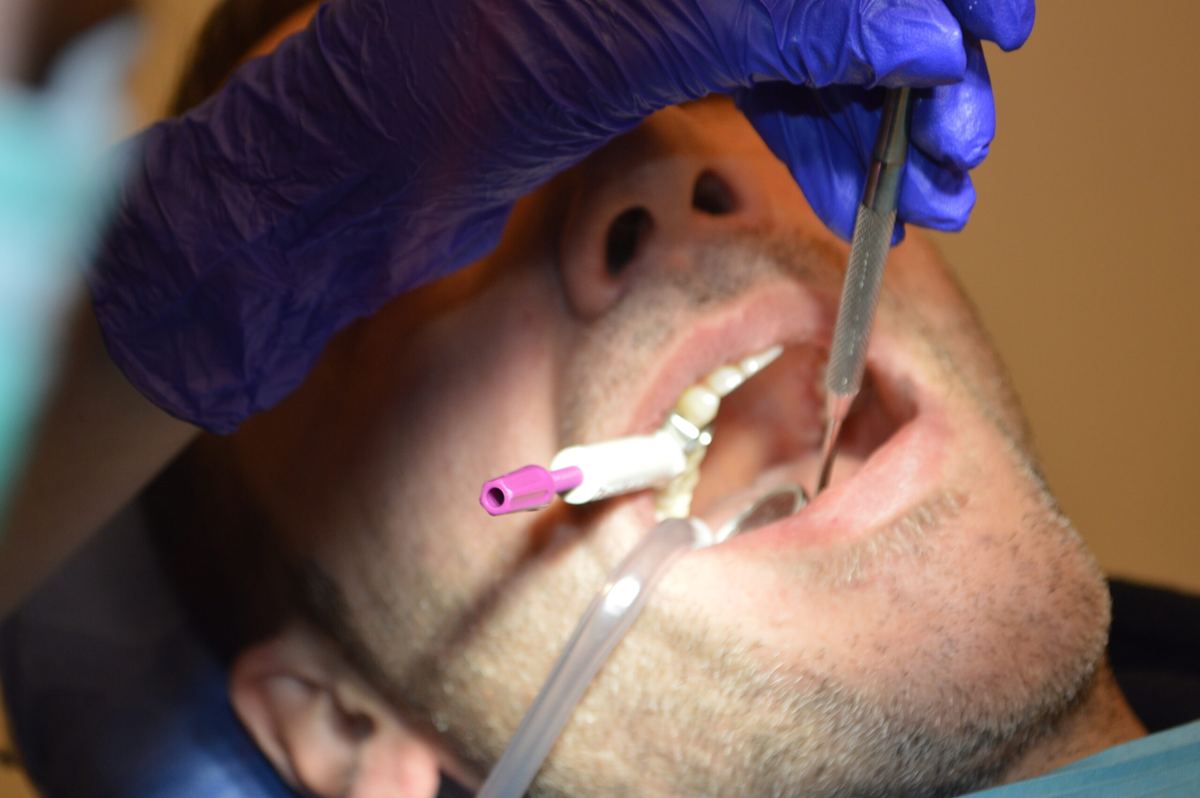
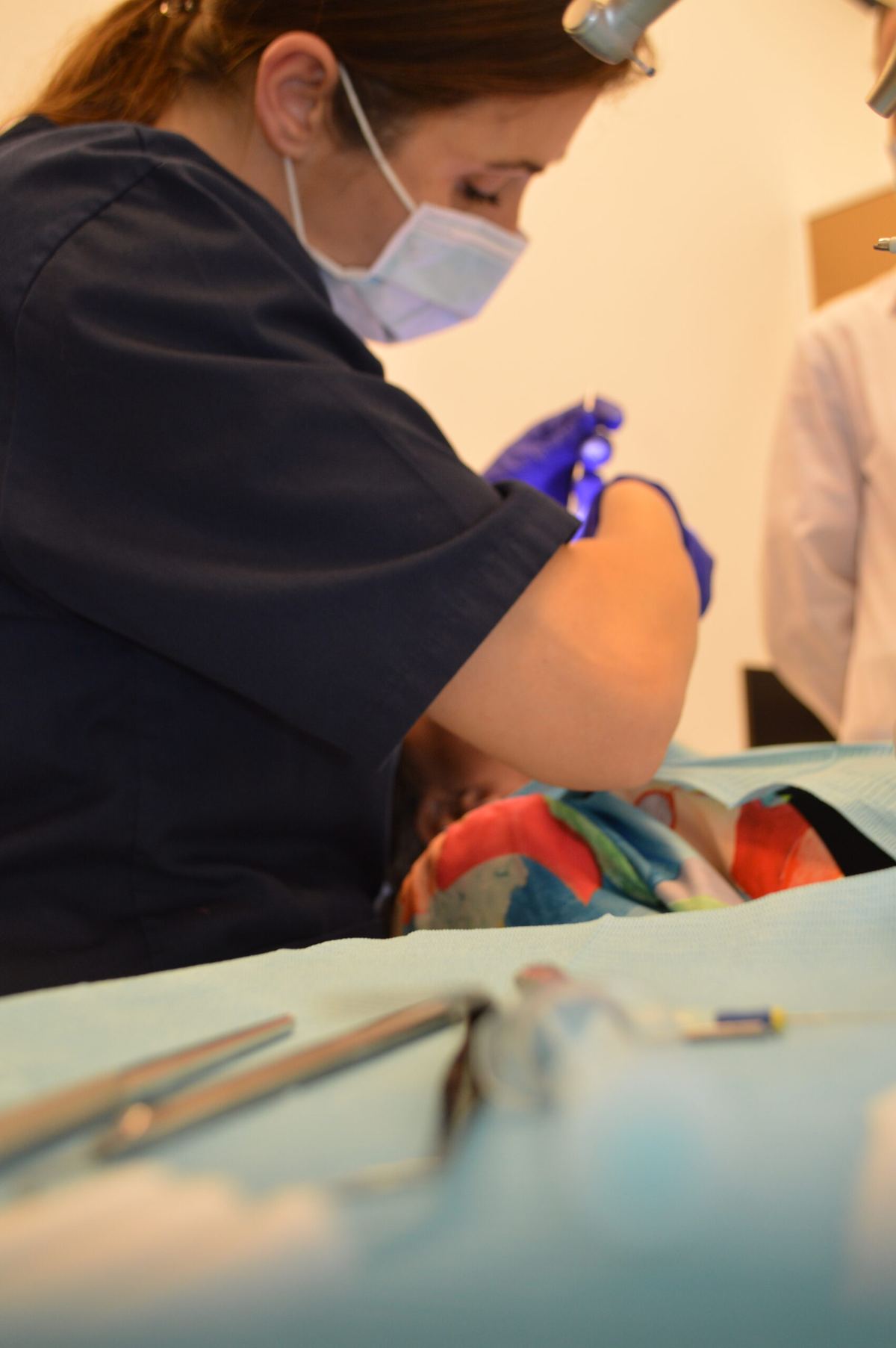
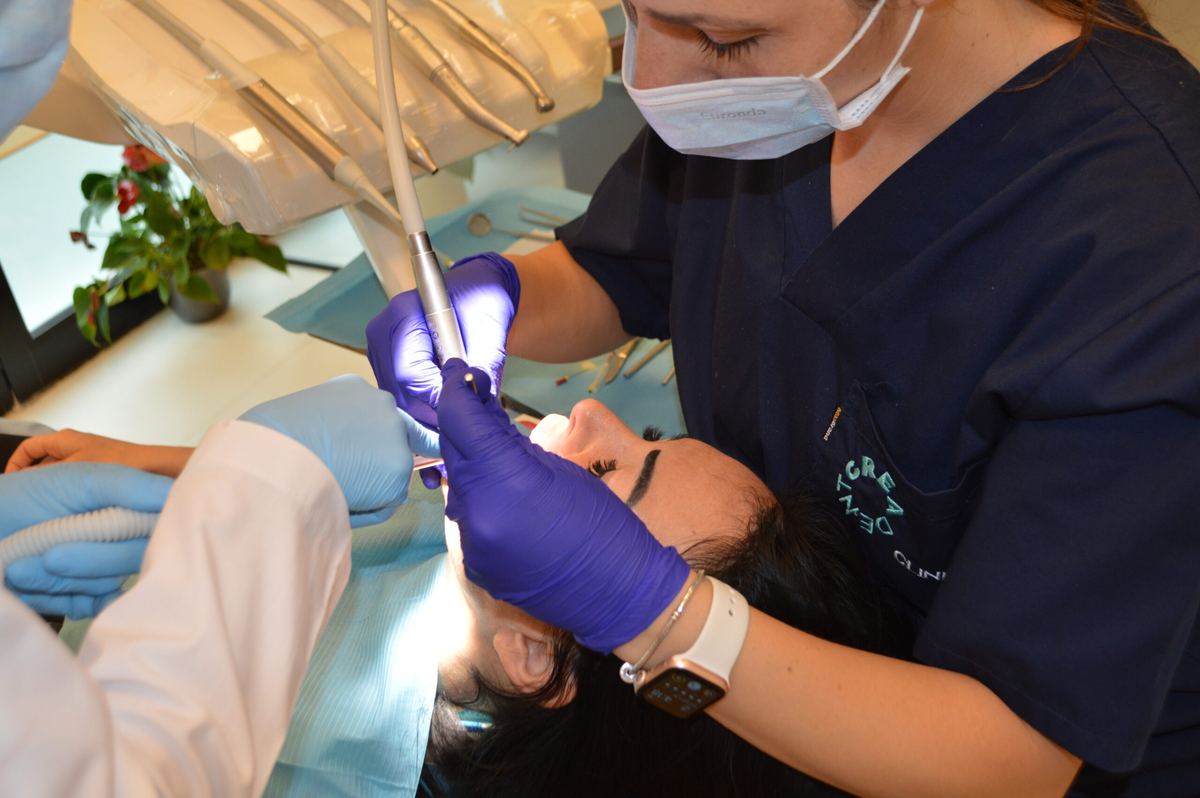
What the work looks like
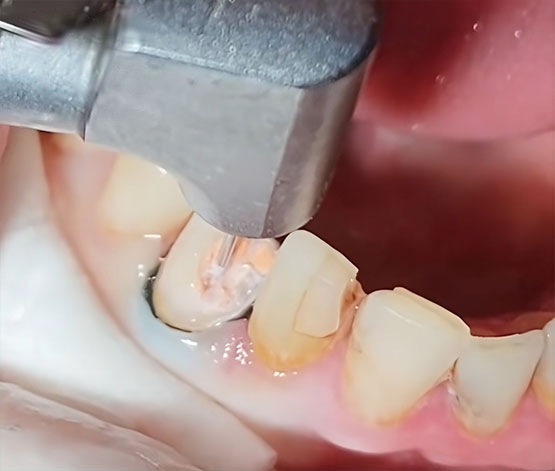
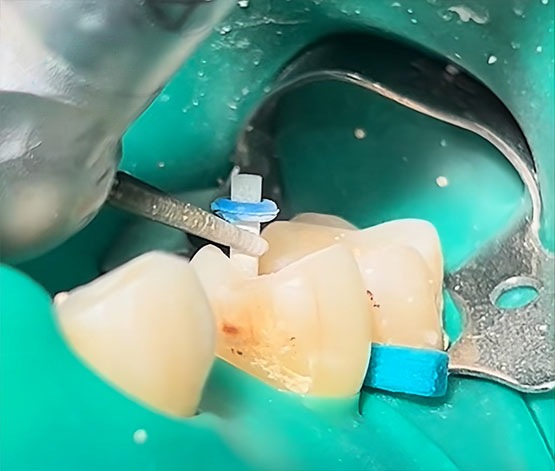
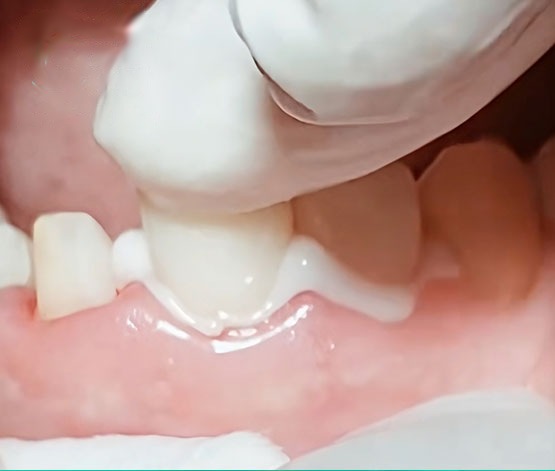
Treated cases
Frequently asked questions
When is root canal treatment needed?
When the pulp of the tooth is inflamed or infected because of deep decay or trauma. The treatment removes the damaged pulp, cleans and disinfects the canals and fills them, so the tooth is kept instead of extracted.
Does root canal treatment hurt?
The treatment is done under local anaesthetic, so you do not feel the work on the tooth. Some tenderness in the following days is normal, and the dentist tells you how to manage it.
What is a post, and when is it needed?
A post is a support placed in the canal when little of the natural tooth is left: it holds the build-up and the crown. The crown is made by the laboratory inside the clinic, so that step does not add a trip.
How much does root canal treatment cost?
It depends on the tooth, one canal or several, and on what is needed afterwards: the build-up, the post, the crown. The clinic's price list for root canal treatment is on the Prices page, and with your X-ray you receive a written quote.