


Home Pedodontics
Pedodontics: the children's dentist
Pedodontics is the dental speciality dedicated to dental care for children. We provide preventive and therapeutic care aimed at the specific needs of young patients, treating the conditions that come up most often, such as cavities and malocclusions.
We also teach children oral hygiene and healthy eating habits, so that dental health is in place from an early age.
In the field of pedodontics, our offerings include
The first visit without fear
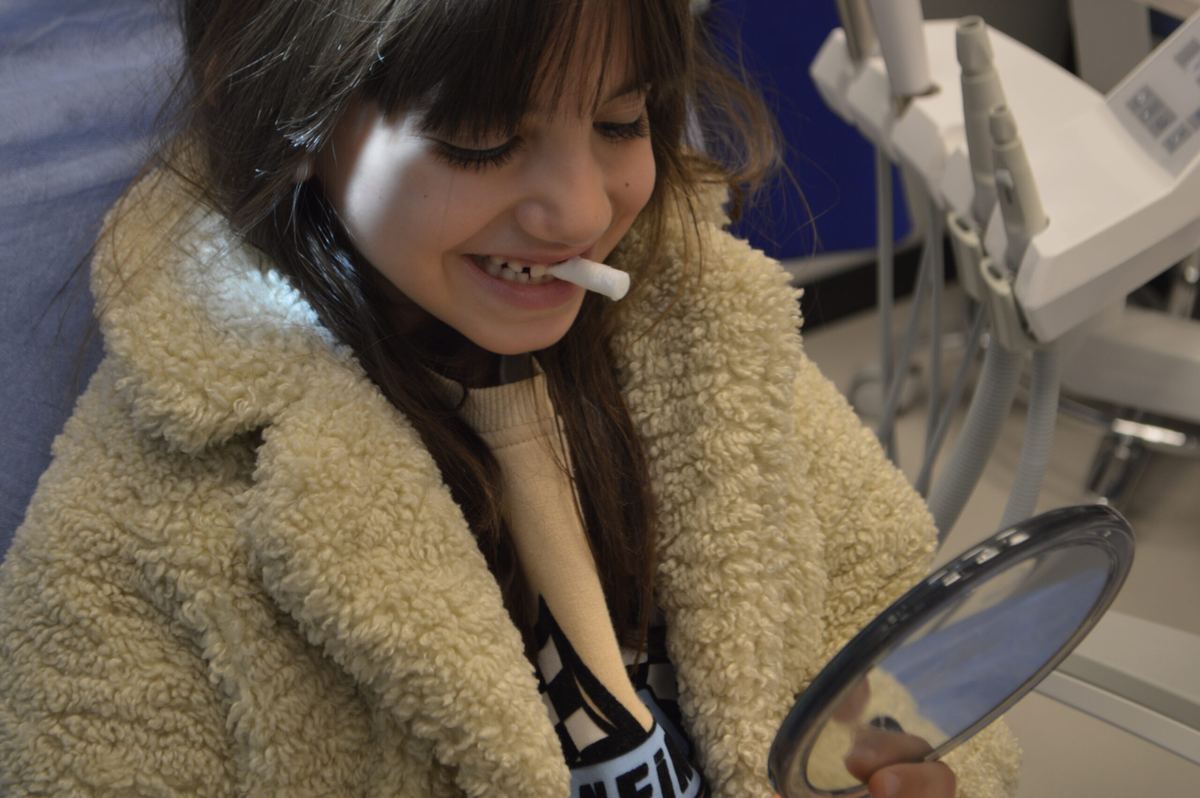
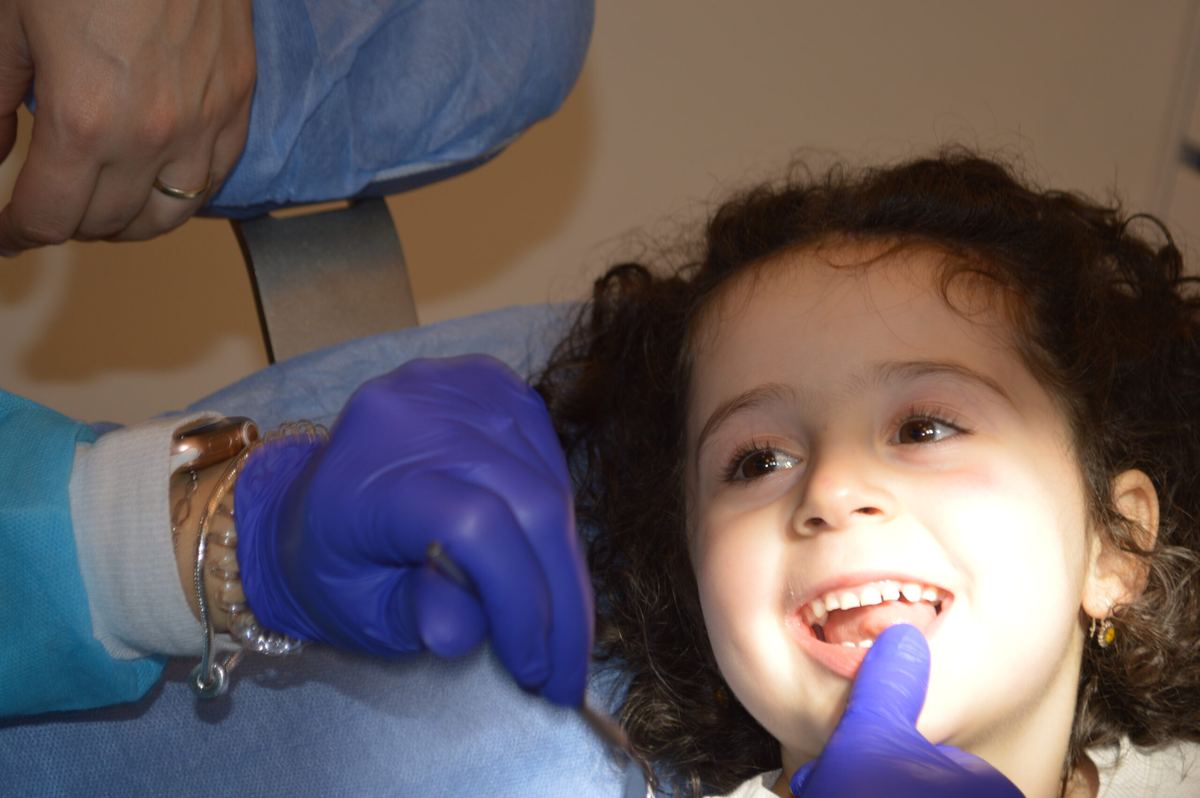
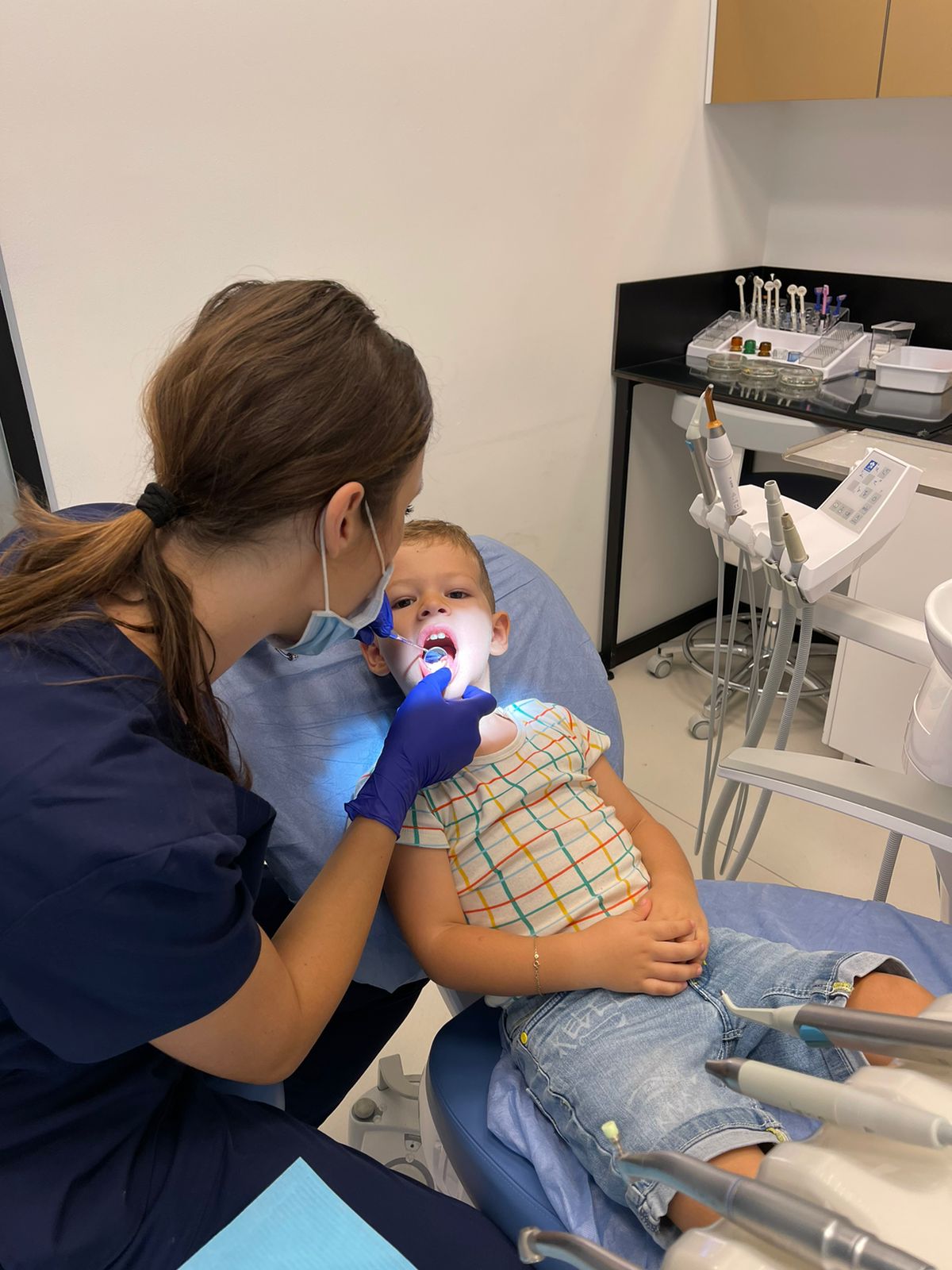
A child’s first appointment is short and has no treatment in it: a look at the teeth, an explanation, and time to get used to the chair. What is found is explained to the parent, and only then is anything planned.
Milk teeth are treated, not written off: they hold the space for the permanent teeth, and losing one early can move the whole arch.
When to bring a child
The best time is before there is a problem. A periodic check lets us see an early cavity while a filling still solves it, follow the changeover of the teeth, and spot a malocclusion early, which is corrected far more easily during the growing years.
A milk tooth is treated, not forgotten
A decayed milk tooth is not without consequences: it hurts, it interferes with chewing, and it can damage the bud of the permanent tooth lying just beneath it. It also guides the space where the permanent tooth will come to sit; if lost too early, it lets the space close, and it is orthodontics that will have to reopen it later.
Treated cases


Frequently asked questions
When should a child first see the dentist?
A first visit is useful once the first milk teeth are in, as a first meeting and a check: the best time is before there is a problem. After that the periodic checks follow the child's growth, and the dentist tells you how often.
Are decayed milk teeth treated?
Yes: a decayed milk tooth hurts, interferes with chewing and can damage the bud of the permanent tooth beneath it. It is treated with techniques suited to children and in short appointments.
What are sealants?
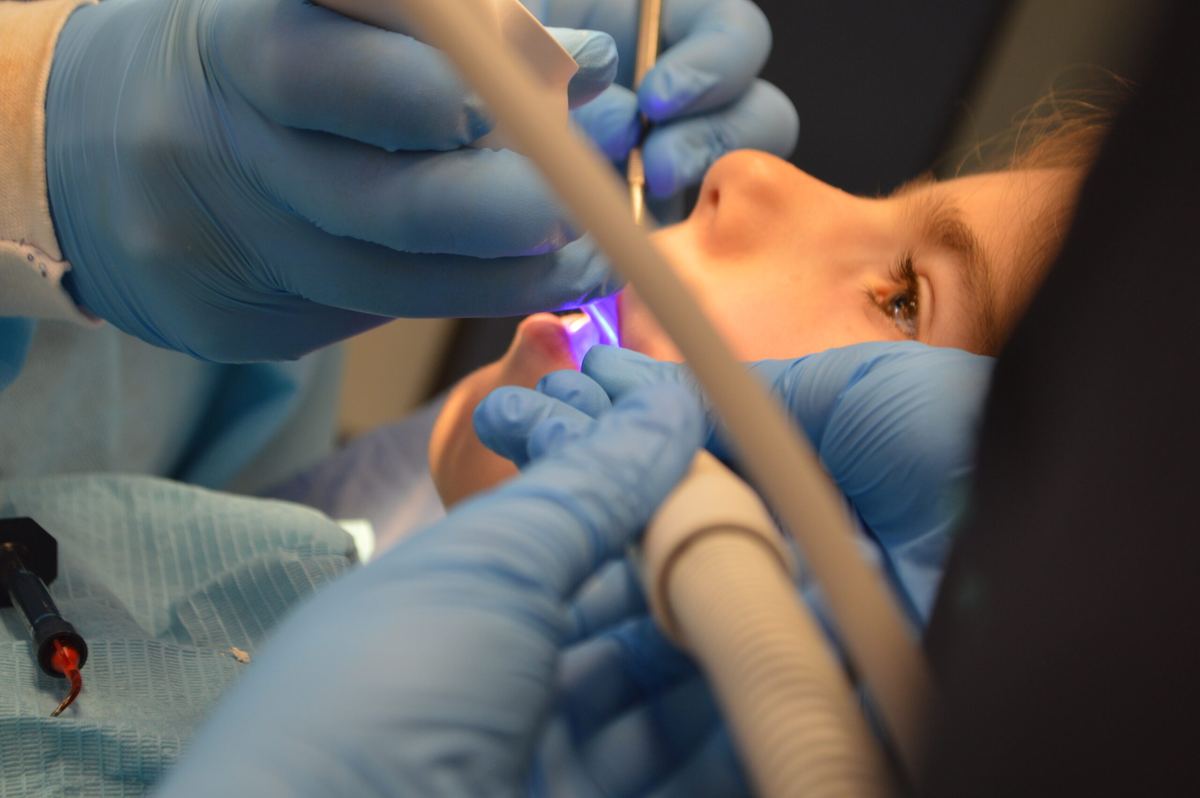
A protection applied to the grooves of the permanent molars soon after they come through, to lower the risk of decay. It is quick and needs no anaesthetic.